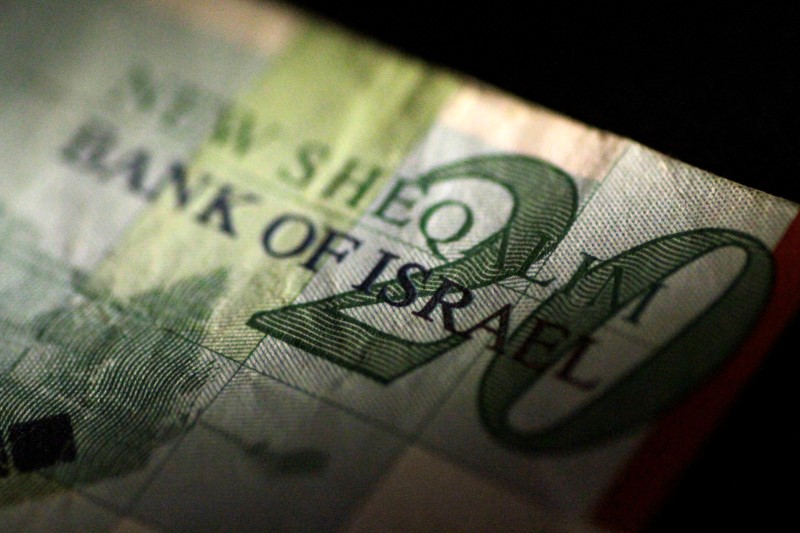
Israel’s conflict with Hamas, which began on October 7, will have widespread financial consequences for Israel, in particular, a recession and a weakening of the shekel, writes Business Insider.
In this regard, Fitch pointed out the risk of downgrading the country’s credit rating. Meanwhile, in less than 2 weeks, the Israeli shekel fell by 4.8%.
Amid US President Joe Biden’s visit to Tel Aviv on Wednesday, the Israeli army has begun to take up positions near the border with the Gaza Strip and a prolonged conflict is forecast that threatens to devolve into a long war.
The first risk is the risk of recession, which will emerge more fully in the near and longer term. The fact that most reservists conscripted into the military are under 40 years old will have a big impact, but they make up a key workforce in the country’s technology sector, which accounts for about a fifth of GDP.
And if we add to this the decline in tourism amid preparations for war and the decline in production as a result of large-scale mobilization, then a recession looks inevitable.
The second risk is a downgrade of the credit rating, which Fitch Ratings has already warned about due to the possibility of expanding the conflict involving several large regional players.
The consequences for the economy will be negative and will lead to a significant increase in spending and a decrease in tax collection, not to mention the loss of life, destruction of infrastructure, and lasting changes in consumer and investment sentiment.
Finally, there is the currency risk, which became apparent almost immediately after the conflict began on October 9, when the Bank of Israel sold $30 billion in foreign exchange reserves in an attempt to prevent the shevel from falling against the dollar. But this did not help: in less than 2 weeks, the Israeli shekel weakened by about 4.8% and reached a minimum against the dollar.